Ngorongoro Conservation Area
The Big Five in one day / Best time: All year
Ngorongoro Conservation Area
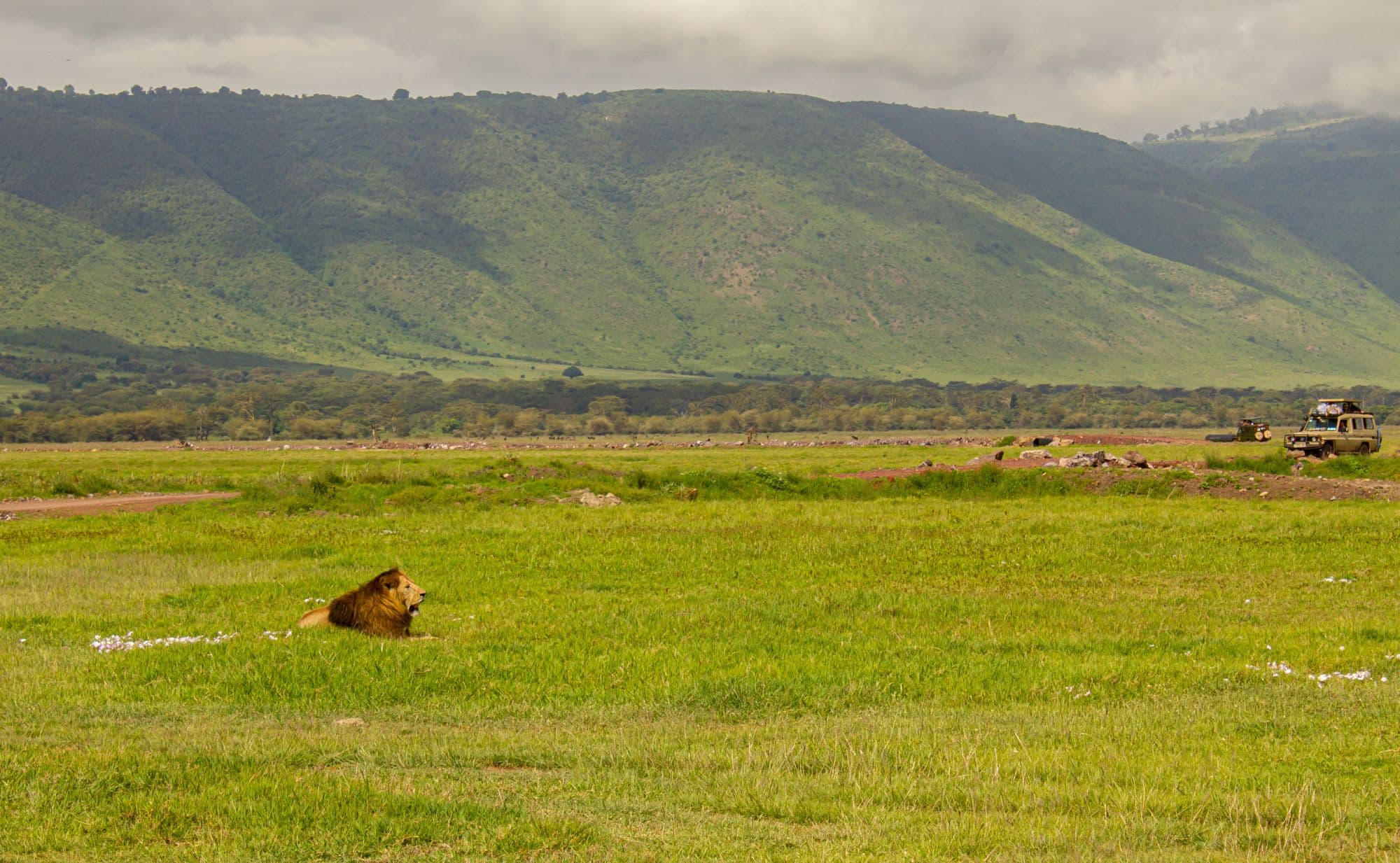
The Ngorongoro Crater is a vast caldera left when a volcano collapsed some two to three million years ago. Its walls, around 600 metres high, enclose grassland, a soda lake, swamps and forest, home to around 25,000 large animals and one of the densest populations of predators in Africa.
The crater's lions are a fascinating case: because few outside males reach the crater floor, they have little genetic diversity, and scientists watch them closely. Many visitors stay a night on the crater rim, descend at first light for the best of the day, and sleep the next night in Karatu or the Serengeti.
The crater is part of the wider Ngorongoro Conservation Area, a UNESCO World Heritage Site where Maasai herders live alongside the wildlife. It also includes Olduvai Gorge, where the Leakey family uncovered some of the most important early human fossils, and the hiking country of Empakaai Crater.
What you can see
- Black rhinos
- Lions and spotted hyenas
- Elephants, including big old bulls
- Buffalo, wildebeest and zebra
- Flamingos on Lake Magadi
Things to do
- A full day on the crater floor
- Walks on the crater rim
- Olduvai Gorge and its museum
- Hiking down into Empakaai Crater
When to go
Rewarding all year, because the wildlife lives in the crater permanently. June to October is driest; nights on the rim are cold, so bring warm clothes.
Getting there
About three to four hours by road from Arusha, and on the way to the Serengeti.
Safaris that visit Ngorongoro Conservation Area
 4 days
Tanzania
4-Day Tarangire and Ngorongoro Safari
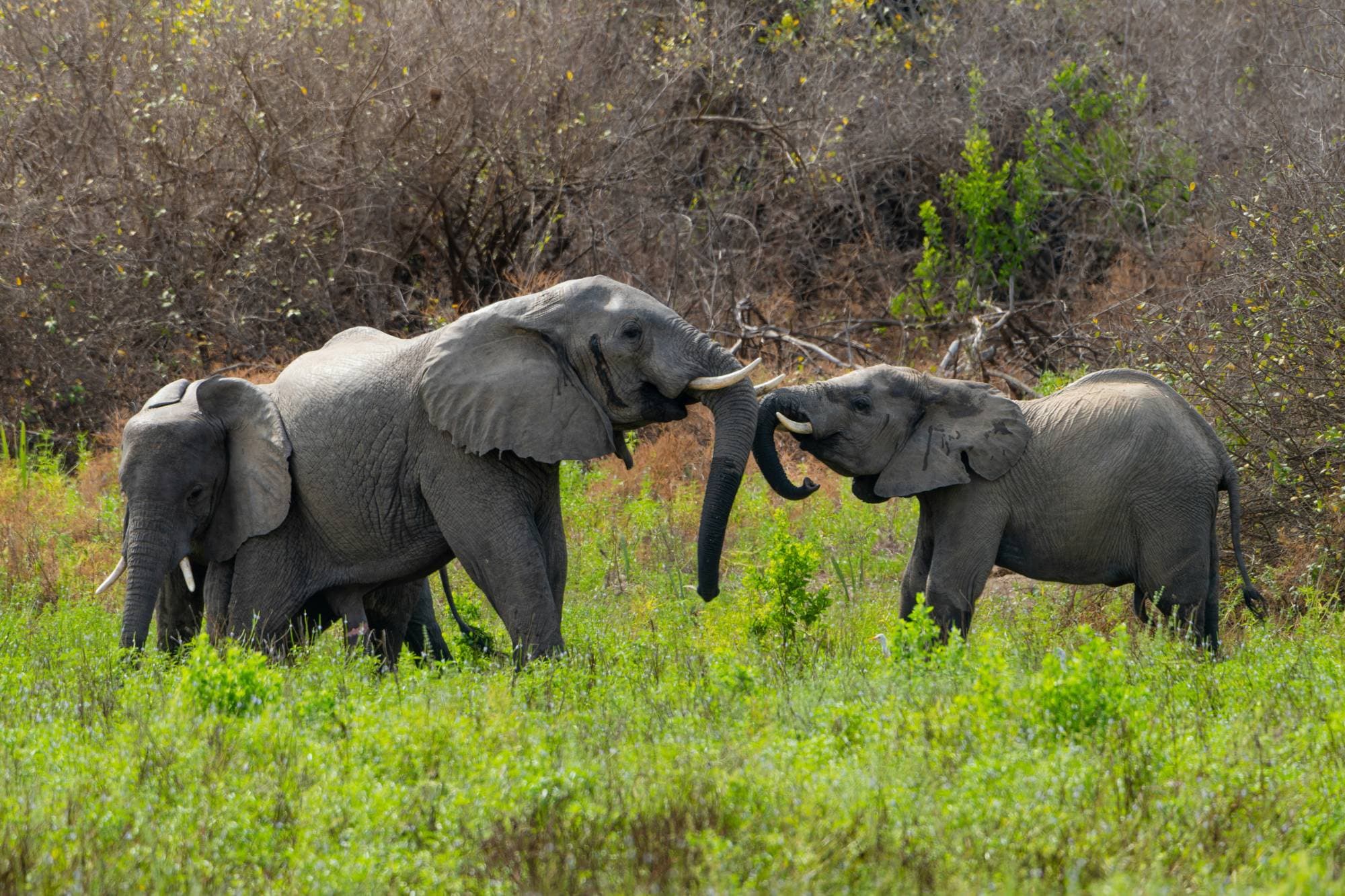
A short northern loop: elephant herds in Tarangire, then a full day on the Ngorongoro Crater floor.
From $790
 5 days
Tanzania
5-Day Tarangire, Serengeti and Ngorongoro Safari
The classic northern trio, with two days on the Serengeti plains, in under a week.
From $1,570
 7 days
Tanzania
7-Day Serengeti and Ngorongoro Safari
Lake Manyara, two days on the Serengeti and the Ngorongoro Crater, at a comfortable pace.
From $1,600
 7 days
Tanzania
7-Day Wildebeest Calving Safari at Ndutu
January to March on the Ndutu plains, where the wildebeest give birth and the big cats follow, plus the Ngorongoro Crater.
From $2,190
 9 days
Tanzania
9-Day Northern Tanzania Safari
Four northern parks without rushing, including three days in the Serengeti.
From $2,230
 9 days
Tanzania
9-Day Mara River Crossing Safari
Two days in the northern Serengeti for the Mara River crossings, usually July to October, peaking in August and September.
From $2,370
More in Tanzania
- Serengeti National ParkHome of the Great Migration
- Tarangire National ParkHuge dry-season elephant herds
- Lake Manyara National ParkForest, lake and Rift Valley wall
- Arusha National ParkColobus monkeys and the Momella Lakes
- Kilimanjaro National ParkUhuru Peak, 5,895 m: the roof of Africa
- Lake NatronEast Africa's main flamingo breeding site
- Lake EyasiMorning with Hadzabe hunter-gatherers
- Ruaha National ParkBig lion prides and few visitors
- Nyerere National ParkBoat safaris on the Rufiji River
- Mikumi National ParkEasiest southern park to reach
- Udzungwa Mountains National ParkHike to the Sanje waterfalls
- Usambara MountainsCool village walks and viewpoints
- Katavi National ParkHuge buffalo herds and crowded hippo pools
- Gombe Stream National ParkWhere Jane Goodall began in 1960
- Mahale Mountains National ParkChimpanzee treks in deep forest
- Mkomazi National ParkBlack rhino sanctuary
- Saadani National ParkWhere the bush meets the beach
- Mafia IslandSnorkel with whale sharks (about Oct – Feb)
- Kilwa Kisiwani and Songo MnaraRuins of a medieval Swahili sultanate
- BagamoyoA historic Swahili and caravan town
- PanganiA sleepy Swahili river town
- Pare MountainsVillage walks with views over Mkomazi
- Rubondo Island National ParkWild chimpanzees on a Lake Victoria island
- Lake NyasaSandy beaches below the Livingstone Mountains
- Kitulo National ParkThe 'Garden of God'
- Mikindani and Mnazi BayA historic town in Tanzania's far south-east
- Kondoa Rock-Art SitesAncient rock paintings in a UNESCO World Heritage Site
- Dar es SalaamTanzania's lively commercial capital