Hippopotamus
Ruler of Africa's rivers / Best seen: Katavi
Hippopotamus
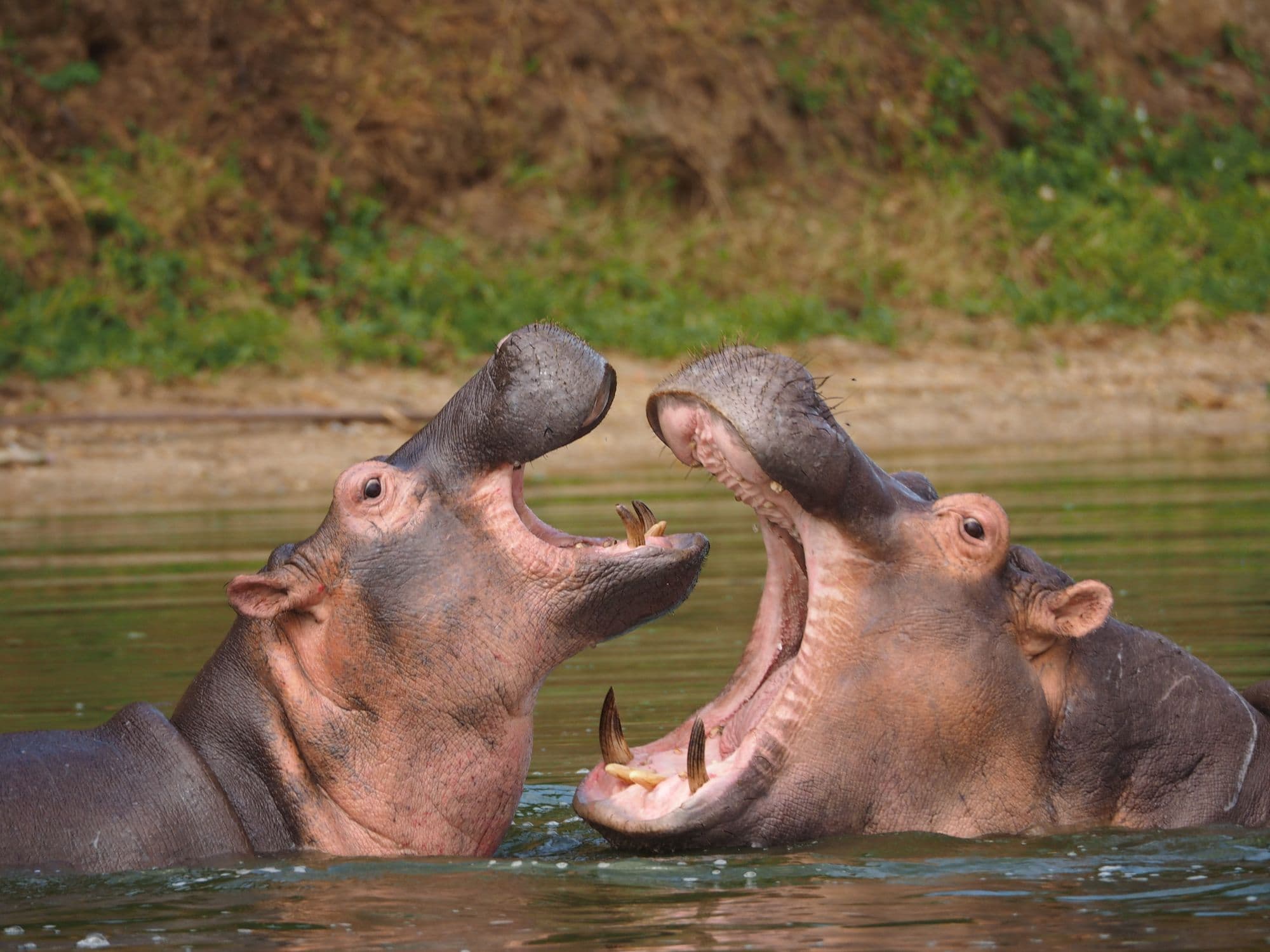
The hippo spends more than half its life in water: it rests, mates, gives birth and nurses its young in rivers, lakes and swamps, which protect its sensitive skin from the sun. At night it leaves the water to graze, sometimes walking several kilometres along well-worn paths.
Despite their round bodies and short legs, hippos can run at about 30 kilometres an hour over short distances, faster than a person. They are fiercely protective and can be dangerous, especially at dawn when they return to the water. Their great tusks can even pierce a crocodile's skin, and a bull's honking and grunting is one of the best-loved sounds of the bush.
Good to know
- A bull marks his path to the water by scattering dung with his tail.
- Hippos cannot really swim; they walk or bounce along the bottom.
- Their skin secretes a reddish fluid that protects it from the sun.
- A much smaller cousin, the pygmy hippo, lives in the forests of West Africa.
Where to see it
- Katavi National ParkTanzania
- Queen Elizabeth National ParkUganda
- Murchison Falls National ParkUganda
- Nyerere National ParkTanzania
- Masai Mara National ReserveKenya
- Lake NaivashaKenya
Background reading: James Currie, The Great Tours: African Safari (The Great Courses with National Geographic), alongside the national park authorities. Wording is our own; check fees and rules with the parks before you travel.
Sample safaris to these places
 10 days
Uganda
10-Day Uganda Gorilla and Chimpanzee Safari
Chimpanzees in Kibale, tree-climbing lions in Queen Elizabeth, mountain gorillas in Bwindi and a rest by Lake Bunyonyi.
From $4,900
 5 days
Uganda
5-Day Murchison Falls and Ziwa Rhino Safari
Track rhinos on foot at Ziwa, then game drives and a Nile boat trip to the foot of the thundering Murchison Falls.
From $1,690
 4 days
Tanzania
4-Day Nyerere National Park Safari
Game drives and a boat safari in Nyerere, Tanzania's largest national park.
From $860
 8 days
Tanzania
8-Day Ruaha and Nyerere Flying Safari
Fly between the south's two great wildernesses, with a full day on the water in Nyerere.
From $3,930
 10 days
Tanzania
10-Day Southern Tanzania Safari
The complete southern circuit: Mikumi, the Udzungwa forest, Ruaha and Nyerere.
From $3,180
 6 days
Kenya
6-Day Maasai Mara and Amboseli Safari
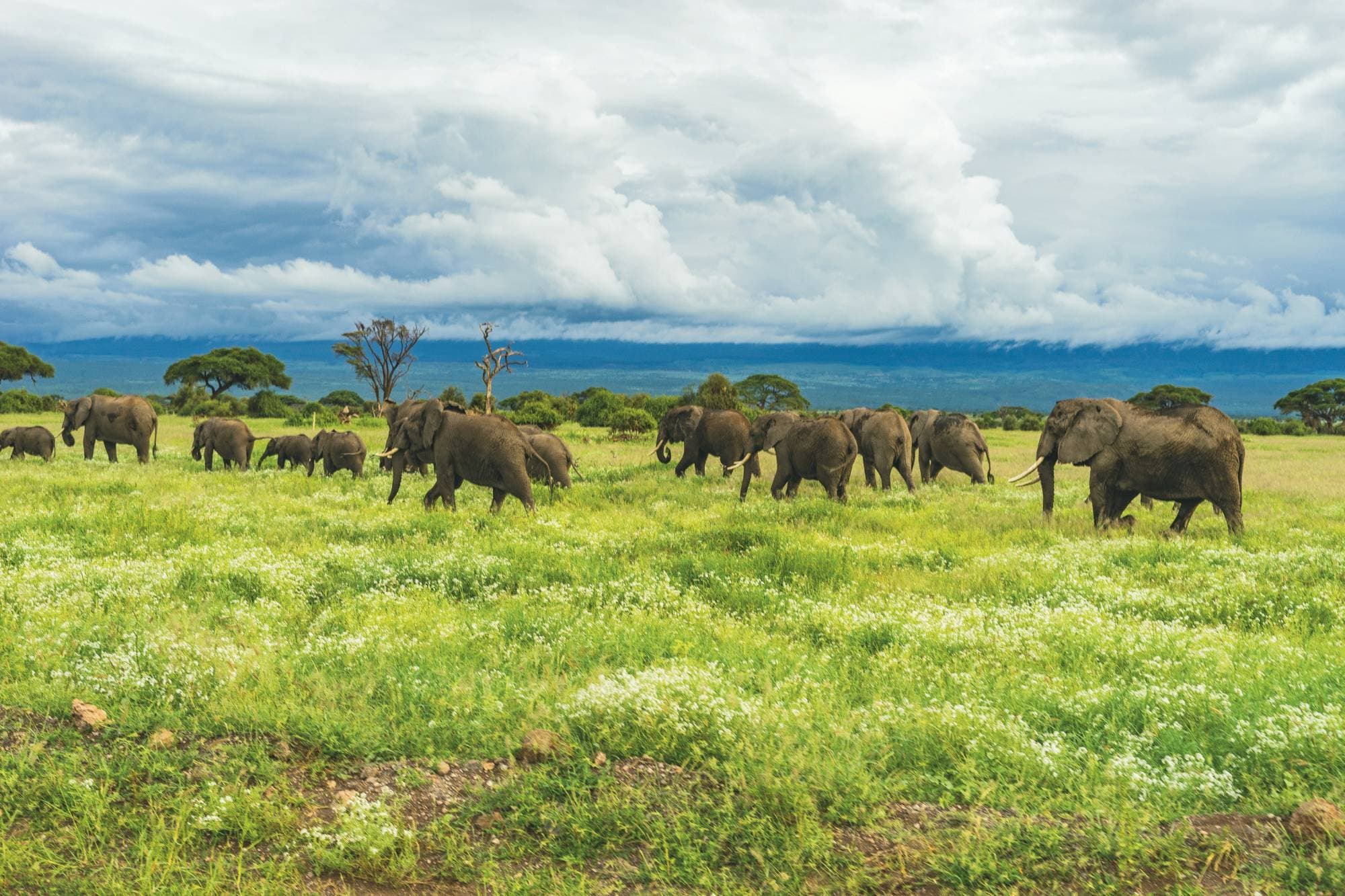
Rolling Mara savanna, then elephant herds beneath Kilimanjaro in Amboseli.
From $1,950